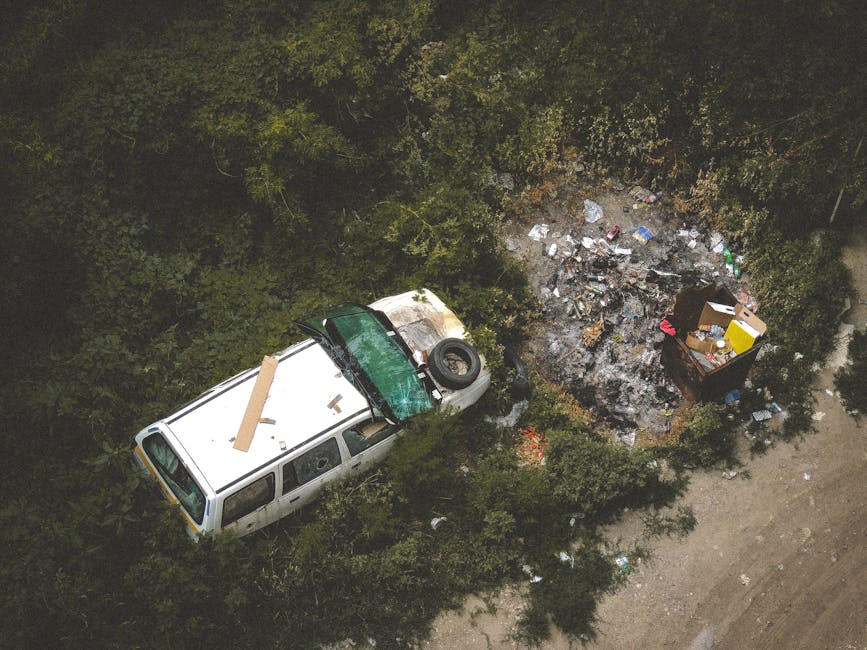
What to do about fly-tipped waste in Ickenham alleys
Fly-tipped waste in Ickenham alleys is one of those problems that looks small at first and then quickly becomes a nuisance. A mattress leaning against a wall, black bags split open, builders' rubble left where nobody wants to see it, or a pile of odds and ends tucked beside garages can block access, attract pests, and make a perfectly ordinary alley feel neglected. If you have spotted dumped waste near your home, business, or shared access route, the good news is that there is a sensible way to deal with it.
This guide explains what fly-tipped waste is, why it matters, what to do first, and how to get it removed safely and properly. It also covers practical decision-making, common mistakes, and the kind of service standards worth looking for if you need help. If you want a trusted local starting point, you can also review the main Ickenham clearance service information, along with the company's recycling and sustainability approach and health and safety policy.
Table of Contents
- Why What to do about fly-tipped waste in Ickenham alleys Matters
- How What to do about fly-tipped waste in Ickenham alleys Works
- Key Benefits and Practical Advantages
- Who This Is For and When It Makes Sense
- Step-by-Step Guidance
- Expert Tips for Better Results
- Common Mistakes to Avoid
- Tools, Resources and Recommendations
- Law, Compliance, Standards, or Best Practice
- Options, Methods, or Comparison Table
- Case Study or Real-World Example
- Practical Checklist
- Conclusion
- Frequently Asked Questions
Why What to do about fly-tipped waste in Ickenham alleys Matters
Fly-tipping is more than an eyesore. In an alleyway, waste can sit out of sight for days before anyone notices, which means the problem can quietly grow. A single dumped bag can split in rain or wind, leaving rubbish spread along the passage. Food waste can draw foxes and rats. Sharp debris can make the route unsafe for children, cleaners, delivery drivers, or anyone taking bins through the back access. And yes, it can give the whole space that damp, sour smell that people remember long after the mess has gone.
Alleyways also matter because they are shared spaces. One person's shortcut is another person's access route, bin route, or emergency route. If waste blocks the path, it affects more than just the nearest property. It can make maintenance harder, slow down refuse collections, and create friction between neighbours who are all looking at the same pile and wondering who should move it. Truth be told, that's usually where delays start.
There is also a wider local impact. When fly-tipped waste lingers, it can encourage more dumping. One pile tends to attract another. That is why a fast, tidy response matters: it stops the space from becoming a magnet for further rubbish and sends a message that the area is being looked after.
Practical takeaway: the sooner the waste is assessed and removed, the easier it is to protect access, reduce health risks, and prevent the alley from becoming a repeat dumping spot.
How What to do about fly-tipped waste in Ickenham alleys Works
Dealing with fly-tipped waste usually follows a simple pattern: identify, assess, report or arrange removal, and confirm the area has been left safe. In practice, there is a bit more judgement involved than that, because alleyways can be narrow, shared, and awkward to access. A mattress wedged beside a fence is one thing; a mixed pile with sharp metal, liquid spills, or broken glass is another.
The first step is to look at what has been dumped without touching it. If the waste appears dangerous, contaminated, or too heavy to move safely, it is better to keep clear and arrange help. If it is light, uncontaminated, and clearly on private land, you may be able to organise removal more quickly. If it is on council-managed land or a public access route, reporting may be the right first step. The correct route depends on location, ownership, and the type of waste involved.
In many real-world cases, the job turns into a combination of clearance and cleaning. For example, after bags are removed, there may be residue, broken packaging, damp cardboard, or a lingering smell. That is why reputable clearance work is rarely just a quick load-and-go task. It is about restoring safe use of the alley, not just moving items out of sight.
If you are arranging professional help, it is worth checking how the provider approaches sorting, recycling, and site safety. A clear service page like pricing and quotes can help you understand what is included before anyone attends. If the situation involves heavier or awkward waste, the details on insurance and safety are also useful to review.
Key Benefits and Practical Advantages
Acting quickly on fly-tipped waste in an alleyway brings obvious visual benefits, but the practical gains are just as important.
- Safer access: people can pass through without dodging broken glass, protruding metal, or unstable piles.
- Better hygiene: removing food waste and packaging reduces smells and pest activity.
- Less neighbour frustration: prompt action stops the blame game from dragging on for weeks.
- Improved security: clear spaces are easier to monitor, and less likely to become hidden dumping points.
- Better property appearance: a clean alley makes the whole area feel looked after, which matters more than people admit.
- Lower risk of escalation: one pile removed early is less likely to turn into a larger dumping site.
There is also a quieter benefit: peace of mind. When you know the alley has been dealt with properly, you stop noticing it every time you take the bins out. That alone is worth a lot on a wet evening when everything already feels a bit much.
Who This Is For and When It Makes Sense
This guide is for homeowners, landlords, managing agents, tenants, shopkeepers, office occupiers, and anyone responsible for shared access spaces in or around Ickenham. If the alley sits behind terraces, flats, small business units, or mixed-use buildings, you may be dealing with a shared responsibility rather than a single owner's problem. That is very common.
It makes sense to act when:
- the waste is blocking a walkway or bin route
- the pile appears to include mixed or bulky rubbish
- there are signs of pests, smells, or leakage
- the alley is used by several households or businesses
- the waste has been there long enough to attract more dumping
- you need the area cleared before tradespeople, inspections, or access work
Sometimes people wait because they are unsure who is responsible. Fair enough, that happens. But if the waste is already creating a nuisance, it is usually better to start by documenting it and then deciding whether to report it, remove it, or both. Waiting rarely improves a fly-tip. Never seen that work, to be honest.
Step-by-Step Guidance
Here is a practical way to handle fly-tipped waste in an Ickenham alley without making things messier than they need to be.
- Check the area from a safe distance. Look at the type of waste, how much there is, and whether anything looks hazardous.
- Do not move suspicious items by hand. Sharp edges, broken glass, syringes, chemicals, and unknown liquids should be treated with caution.
- Take a few clear photos. This helps if you need to report the issue or explain the removal needs to a contractor.
- Note the exact location. Mention nearby landmarks, alley entrances, bin stores, or rear access points so the issue can be found quickly.
- Decide whether it is public, private, or shared land. If you are not sure, check documents or ask the relevant property manager.
- Report the fly-tip if appropriate. Public land and council-managed spaces are often handled differently from private land.
- Arrange clearance if you are responsible for the site. Choose a provider that can remove waste safely, segregate recyclable items, and leave the area tidy.
- Confirm the space is fully clear. Check corners, behind bins, under overhangs, and along fence lines where small items get left behind.
- Improve the area if possible. Better lighting, a gate that closes properly, or clearer bin storage can reduce repeat dumping.
- Keep a record. If fly-tipping keeps happening, a simple log of dates, photos, and actions taken can be surprisingly useful.
A small but important detail: if there is any sign of odour, liquid seepage, or pest activity, mention it up front. It helps the removal team prepare properly and avoid a half-finished job.
Expert Tips for Better Results
In our experience, the best fly-tip responses are the ones that stay calm and methodical. No dramatic heroics. Just a clean plan.
1. Separate waste types where safe to do so. Mixed waste takes longer to sort, and recyclable materials are easier to recover if they are not buried under everything else. If it is safe, identify obvious groups like cardboard, wood, metal, and general rubbish.
2. Think about access before removal day. Alleys can be tight. If there is a locked gate, narrow turning space, or awkward rear entry, tell the provider early. A five-minute conversation can save a lot of back-and-forth on the day.
3. Treat recurring fly-tipping as a site design issue, not just a cleanup issue. If people keep dumping in the same spot, the alley may need better lighting, a lockable gate, or more visible deterrents. Sometimes the problem is opportunity, not just bad behaviour.
4. Use a provider that understands disposal routes. Good waste handling should include sorting, lawful transfer, and recycling where possible. The recycling and sustainability policy is a useful indicator of how seriously a company takes responsible disposal.
5. Keep an eye on time-sensitive situations. If the alley must be cleared before a delivery, inspection, or repair visit, don't leave it until the last minute. The rubbish will not suddenly become less annoying by Friday afternoon. It never does.
6. Ask how complaints are handled. That sounds odd, but it matters. If a job goes wrong or communication slips, a clear process matters. You can check a provider's complaints procedure to see whether they handle issues in a sensible, accountable way.
Common Mistakes to Avoid
Fly-tipped waste is easy to underestimate. That is where people get caught out.
- Touching unknown waste without protection. This is especially risky if the pile contains glass, needles, damp chemicals, or decaying food.
- Assuming someone else will report it. Shared responsibility is often where action slows down.
- Putting all waste into a single bin bag. That can make sorting harder and may hide hazardous items.
- Leaving the area half-cleared. Small leftovers are enough to encourage more dumping.
- Ignoring access constraints. If a truck or crew cannot reach the back alley properly, the job may be delayed or incomplete.
- Choosing purely on price. Cheap is not always cheap if the waste is left behind, or if the disposal route is unclear.
- Not checking insurance or safety arrangements. For awkward or heavy waste, this is not a detail to skip.
One easy mistake is to treat every fly-tip like a simple bin bag issue. Sometimes it is. Often it is not. Builders' rubble, paint tins, old appliances, or commercial waste need a more careful approach than household rubbish.
Tools, Resources and Recommendations
You do not need a lot of special equipment to start dealing with fly-tipped waste, but a few sensible tools make life easier.
- Phone camera: for photos, timestamps, and evidence before anything is moved.
- Work gloves and sturdy footwear: useful if you are handling safe, permitted items on private land.
- Bin bags or sacks: only for light, non-hazardous rubbish where you are sure it is safe to sort.
- Torches: alleyways can be dim, especially early morning or after dark.
- Basic tape measure: helpful if you need to estimate volume for a quote.
- Notepad or phone notes: handy for recording dates and repeat incidents.
For more organised help, it is worth reading through service information before you book. If you want to understand what access and responsibility questions may come up, the site's accessibility information and health and safety policy can provide a useful sense of approach and standards.
If you are comparing providers, a good quote process should be clear about what is removed, what is excluded, and whether loading, labour, and disposal are included. Ambiguity is rarely your friend here.
Law, Compliance, Standards, or Best Practice
Fly-tipped waste can involve legal and practical responsibilities, especially where land ownership, duty of care, and disposal records are concerned. You do not need to be a legal expert to handle the issue well, but it helps to follow accepted UK waste-handling practice.
In general, the safest approach is to make sure waste is collected by a legitimate carrier, handled in a way that avoids harm, and disposed of through appropriate channels. Where hazardous items may be involved, extra caution is needed. If you are a landlord, managing agent, or business owner, it is sensible to keep basic records of what was found, what was removed, and who arranged it.
Best practice usually includes:
- checking that waste is moved by a suitable and insured provider
- sorting recyclable materials where possible
- avoiding manual handling risks with heavy or sharp objects
- keeping routes clear for residents and emergency access
- treating unknown liquids, chemicals, or clinical waste as specialist issues
If the work is being carried out on a private or shared site, you may also want reassurance around security, payment handling, and safety processes. Those details are not glamorous, but they do matter. A provider's payment and security information and insurance and safety details can help you make a more informed choice.
To be fair, most people only think about compliance after something has gone wrong. Better to think about it early. It saves headaches later.
Options, Methods, or Comparison Table
There are usually three practical ways to deal with fly-tipped waste in an Ickenham alley. The right choice depends on ownership, urgency, and the type of rubbish involved.
| Option | Best for | Advantages | Limitations |
|---|---|---|---|
| Report to the relevant authority | Waste on public or council-managed land | Appropriate where the site is not privately controlled | May not be the fastest route for urgent access issues |
| Self-managed clearance on private land | Landlords, property managers, or owners with clear responsibility | Fast, direct, and adaptable to the site | Requires safe handling, proper disposal, and access planning |
| Professional waste clearance | Bulky, mixed, awkward, or time-sensitive fly-tips | Efficient, safer, and usually better for larger or mixed loads | Cost depends on volume, access, and waste type |
In many cases, a professional clearance is the most practical option when the alley is tight or the pile is mixed. The main advantage is not just labour. It is having someone who can assess the load, remove it safely, and leave the route ready to use again without a lot of fuss.
Case Study or Real-World Example
Consider a typical rear alley behind a row of homes in Ickenham. On a Monday morning, a resident notices two black bags, a broken chair, and some flattened boxes left near the gate. By Wednesday, there is a damp smell after overnight rain, and someone has added a shopping trolley and more packaging. Nothing dramatic. Just enough to be annoying.
The resident takes photos, notes the location, and speaks to two neighbours who also use the alley. One believes it should be reported first because the route is shared. Another wants it cleared immediately because the bins are due out that evening. The practical compromise is to confirm responsibility, arrange a prompt clearance for the private section, and log the incident in case the dumping happens again.
What worked well in this situation was not speed alone, but clarity. The access point was checked in advance, the waste was described accurately, and the team knew there might be a mixture of cardboard, household rubbish, and one awkward bulky item. That meant the work could be done in one visit rather than dragged out over several. Simple really, but that's often what makes the difference.
The key lesson: when fly-tipping appears in a small alley, a calm and documented response usually beats a rushed one.
Practical Checklist
Use this checklist before arranging removal or reporting the issue.
- Have you confirmed where the waste is located?
- Do you know whether the alley is private, shared, or public?
- Have you taken photos from a safe distance?
- Do any items look sharp, chemical, contaminated, or hazardous?
- Is the waste blocking access, bins, or emergency movement?
- Have you noted whether the pile is growing?
- Do you need help from a professional clearance team?
- Have you checked access points, gates, and vehicle restrictions?
- Have you considered whether recycling or sorting is possible?
- Do you have a record for future reference if it happens again?
If you can tick most of those off, you are in a good place to move forward. If not, slow down and gather a bit more information. That small pause can prevent bigger problems.
Conclusion
Fly-tipped waste in Ickenham alleys is frustrating, but it is usually manageable when you take a structured approach. Start by checking the area safely, document what is there, decide who is responsible, and choose the right removal route for the type of waste involved. The main thing is not to let a small pile become a long-running problem. Alleys work best when they stay clear, usable, and unremarkable.
When you need help, look for a provider that understands access issues, disposal responsibility, recycling, and safety. That combination matters more than fancy promises. And if you want to compare your options with confidence, the details on pricing and quotes are a sensible place to begin.
Get a free quote today and see how much you can save.
In the end, a clean alley is not just tidier. It feels calmer. Safer too. And that counts for a lot.
Frequently Asked Questions
What should I do first if I find fly-tipped waste in an Ickenham alley?
Stay safe, take photos from a distance, and note the exact location. If anything looks hazardous, do not touch it. Then decide whether the issue needs to be reported or cleared privately, depending on who controls the land.
Can I move fly-tipped waste myself?
Only if it is clearly safe, light, non-hazardous, and on land you are responsible for. If there is broken glass, sharp metal, chemicals, or unknown items, it is better to leave it alone and arrange proper removal.
Who is responsible for fly-tipped waste in a shared alley?
That depends on ownership and local arrangements. Shared alleys can be awkward because responsibility is not always obvious. Check deeds, property management documents, or contact the relevant managing party before acting.
How do I know whether the waste should be reported or removed privately?
If the waste is on public or council-managed land, reporting may be appropriate. If it is on private or shared land and causing access or hygiene problems, private removal may be the faster practical route.
What kinds of fly-tipped waste are most common in alleys?
Common examples include black bags, cardboard, furniture, broken household items, builders' waste, and unwanted appliances. Mixed loads are especially awkward because they often need sorting before disposal.
Is fly-tipped waste a health risk?
It can be. The risk depends on what has been dumped. Food waste may attract pests, broken items can cause injury, and spilled liquids or chemicals need careful handling. If you are unsure, treat the waste cautiously.
How quickly should fly-tipped waste be removed?
As quickly as practical. The longer it stays, the more likely it is to spread, smell, attract pests, or encourage more dumping. Early action is usually much easier than waiting for the pile to grow.
Can a clearance company remove mixed waste from a narrow alley?
Often yes, provided there is enough access and the waste is described clearly in advance. Good providers can plan for tight entry points, bulky items, and mixed loads, but they need accurate information before arriving.
What should I look for in a waste removal provider?
Look for clear pricing, sensible communication, safety awareness, insurance details, recycling practices, and a straightforward process. It also helps if the provider explains how access and disposal will be handled.
Will fly-tipped waste always be recyclable?
No. Some materials can be recycled, but mixed or contaminated waste may need separation first, and certain items require specialist handling. A responsible provider will sort what can be recovered and dispose of the rest appropriately.
What if the alley keeps getting fly-tipped again and again?
Recurring dumping usually means the site needs a wider fix, not just repeated clearances. Better lighting, stronger gate control, clearer access management, or monitoring may help reduce repeat incidents.
How can I reduce the chance of fly-tipping in my alley?
Keep the space tidy, avoid leaving loose waste accessible, improve visibility where possible, and make access less convenient for dumpers. A clean, monitored alley is less inviting than a cluttered one. Sounds obvious, but it works.